

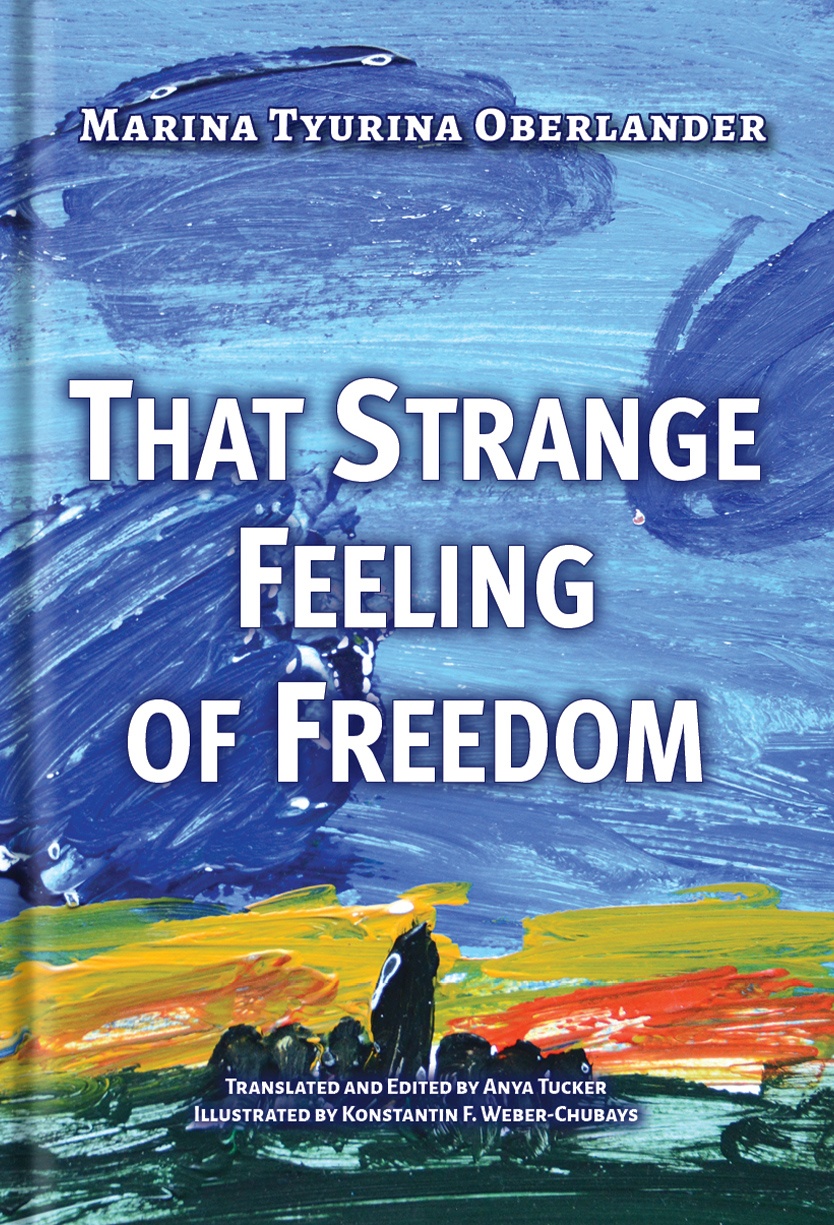
Description
This book compiles stories and novellas, written in America (with the exception of one) in the last decade. Its symbolic title “That Strange Feeling of Freedom” is not incidental. The Author, a known Russian-American poet and translator, Marina Tyurina Oberlander, having moved to the USA from Russia on the break of two millenia, writes absolutely freely, at ease, feeling no creative limitations and taboos. Her stories and novellas are not traditional poet’s prose with its indispensable lyrical, romantic and confessional stream. This is a different literature—action-packed, sometimes phantasmagoric, featured by exact and rigorous vocabulary. This is literature of thoughts and feelings, but mostly—thoughts.
The readers could have become familiar with these stories and novellas in Russian, that have been published in different editions. Now they come out in English.
* * *
Эта книга вобрала в себя рассказы и новеллы, написанные в Америке (за исключением одного) в последние десять лет. И не случайно сборник имеет такое символическое название — «Это странное чувство свободы…» Автор, известный русско-американский поэт и переводчик Марина Тюрина Оберландер, эмигрировавшая в США из России почти четверть века назад, пишет абсолютно раскрепощенно, свободно, не испытывая никаких творческих ограничений и запретов. Ее рассказы и новеллы – не традиционная проза поэта с непременно лирической, романтической, исповедальной струей. Это иная литература — остросюжетная, иногда фантасмагорическая, отличающаяся строгой, жесткой лексикой. Это литература мыслей и чувств, но прежде всего — мыслей.
С рассказами и новеллами сборника читатели могли познакомиться на русском языке, они публиковались в различных изданиях. Теперь они звучат на английском.
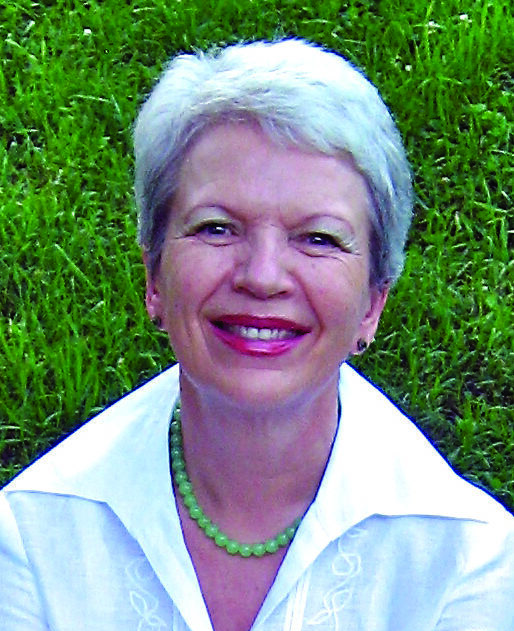 Марина Тюрина Оберландер — поэт, переводчик, прозаик, член международного Союза писателей XXI века, член редакционного совета журнала «Времена» (США), лауреат Международной премии им. Леонардо да Винчи (2018). Родилась в Ленинграде в семье выдающегося учёного-почвоведа, академика И.В. Тюрина. Окончила филологический факультет МГУ им. М.В. Ломоносова и аспирантуру того же факультета. По специальности — филолог-скандинавист. Работала преподавателем датского языка в Дипломатической академии МИД СССР, редактором в издательствах «Прогресс» и «Радуга».
M•Graphics
Оberlander’s genre-defying collection of stories and novellas moves between magical and mundane aspects of life. “All my stories are based on events that I witnessed, with, of course, a certain amount of imagination and even a touch of magic,” writes the author, a writer and translator with Ukrainian and Russian roots, in an opening note. The ensuing stories, translated from the Russian by Tucker, embrace both fantasy and reality, as is evident in “Seven Eighths,” a tale of a rare cello that’s seven-eighths the size of a standard instrument. It bonds with its owner, Theo, and follows the human’s ups and downs through its anthropomorphized perspective. Eva in “The Other Half” is a Moscow girl who, in a dream on the eve of her 17th birthday, receives half of a magic apple from a serpent. She goes on to find success in business but struggles through failed marriages as she searches for that fruit’s other half.
…The opening story, “A Conversation With the Devil,” is truly hypnotic as it follows Margarita, a talented poet and translator in 1980s Moscow. She’s struggling to translate a poem about Chinese poet Li Po and wonders if she has “really lost her gift” when she encounters Woland—the personification of Satan from Mikhail Bulgakov’s 1967 novel The Master and Margarita—resulting in a conversation about craft and artistry. Oberlander’s talent is apparent in prose that sharply explores such fantastical states of magic in everyday life, and the text speaks to her belief, stated in the opening note as well as in her characters’ lives, that “genuine poetry is not a craft, it is a gift.” Painterly full-color illustrations by her grandson Weber-Chubays further hone the atmosphere, and the footnotes, including an explanation of Moscow’s Alexander Garden, will help to guide audiences who may be unfamiliar with the book’s locales.
A timeless collection with a compelling and haunting self-referential tone.
— Kirkus Review/ Fiction