

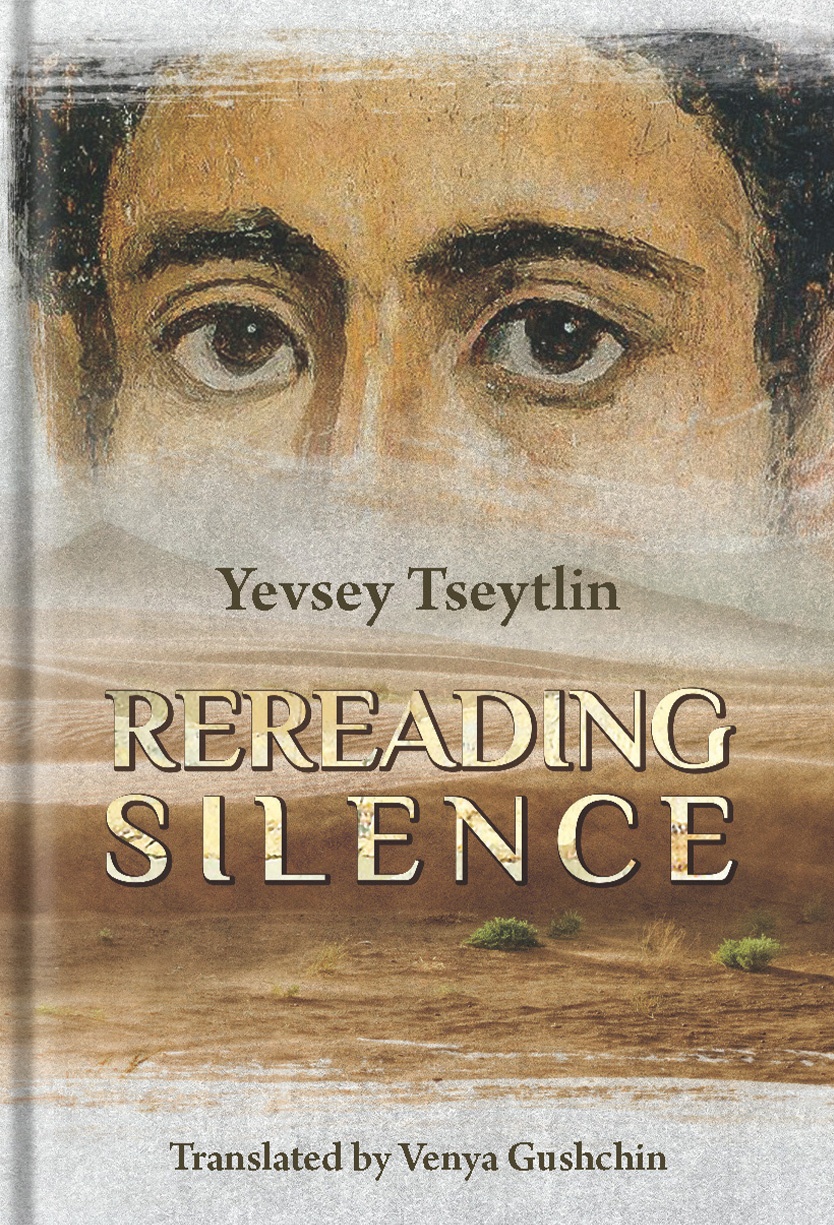
Description
…Any one of Yevsey Tseytlin’s books is taken in as an entire universe – a university of intertwining fates, emotions, thoughts, and dreams. These books are to be read slowly because a cursory glance is impossible. Every episode, every memory, and every face forcefully bring the reader back to the words on the page, to make sense of them and their inner gaze. That’s why the characters of this prose are so memorable, so numerous that they could comprise a city. There’s not a single passing thought, not a single banal observation, not a single divergent fate.
Troubling and quarrelsome, wise and profound, lucky and unlucky – the characters in these books remind the reader of old photographs that the subjects would prepare for at length, sitting for a long time, tense and immobile, all so that the picture to come out well, so that their faces would be preserved forever: for their grandkids, their great-grandkids. That’s why it feels like they’re looking out at us, observing us and our contemporary world with that typical exacting expression you see in photographs of the past. In this ability lies the author’s extraordinary powers of rapt attention; his ability to look into the depths of life; his skill at noticing and fishing out the painful and piercing essence of history, individual scenes and situations, and fates. That essence is precious, grabbing us living today, however overwhelmed and bustling we may be. Grabbing us and never letting go.
But the most important part of these essays and miniatures is tone. In any book the most important thing is tone. In Yevsey Tseyltin’s prose, the tone is of calm fortitude.
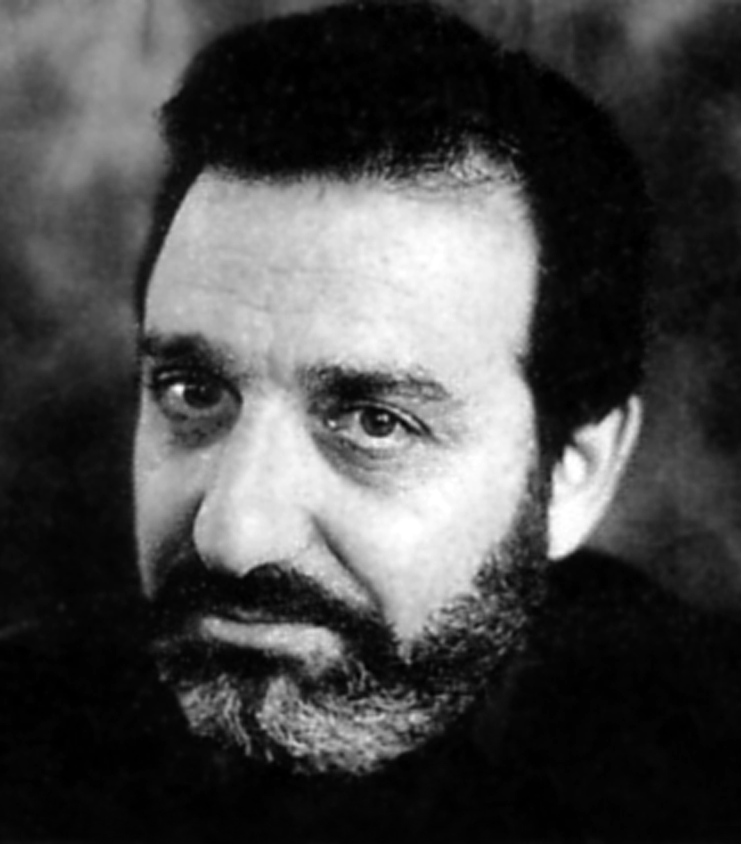 Yevsey Tseytlin — a writer of prose, a cultural historian, a literary scholar and critic. He is the author of many books published in Russia, America, Lithuania and Germany. These are collections of stories and tales about people of the arts, essays, and monographs. In the last 25 years, nearly all of Yevsey Tseytlin’s books have the subtitle “From Diaries of These Years” (Long Conversations in the Expectation of a Happy Death, From Where to Where and others). They capture the complex problems of the Jewish consciousness, person and voice on the roads of the Exodus. Tseytlin was born in Omsk, Russia, in 1948. He graduated from the department of journalism of the Ural University (1969) and the Higher Literature Courses at the A. M. Gorky Literature Institute (1989). He taught the literary history and culture at higher educational institutions and was the chief editor of the almanac Jewish Museum (Vilnius). He got his PhD in Philology in 1978 and became an assistant professor in 1980. Beginning in 1968, he was published in many literary and artistic journals and collections. He emigrated twice — to Lithuania and the USA.
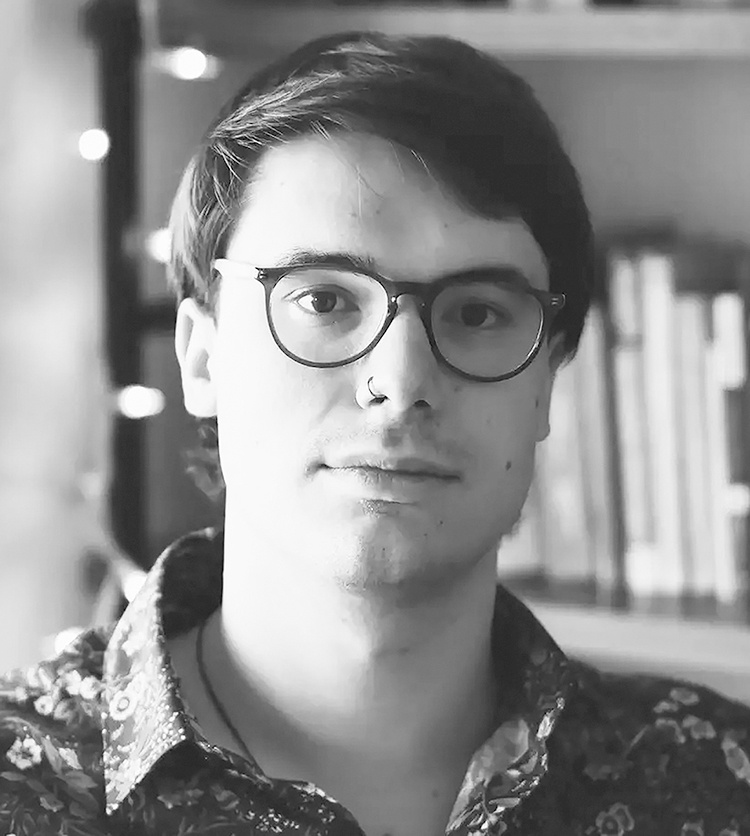 Venya Gushchin is a PhD Candidate at Columbia University, writing a dissertation on the late styles of Russian Modernist poets. He is also a translator, who has worked primarily on Silver Age poetry (Anna Akhmatova, Vladimir Mayakovsky, Aleksandr Blok among others). His translations of Vladimir Mayakovsky have received the Columbia University Slavic Department Pushkin Prize. Blockade Swallow, selected poems by Olga Berggolts translated by Gushchin, appeared from Smokestack Books in 2022. His writing has appeared in Cardinal Points, The Birch, and elsewhere.
M•Graphics
…Like one of the characters appearing in the pages of this book, Yevsey Tseytlin “is very sensitive to the way psychology manifests itself in a turn of phrase, in a silence, in a slip of the tongue.” Through the book “runs a melody, at times tender and lyrical, at times mocking and showy, at times mourning.” Rereading Silence is a diary and a confession, a portrait of an incredibly cruel epoch and of the narrator’s soul.
The present book is made up of several parts, with essays, thoughts about both chance meetings and epochal events, and retellings of dreams (!). Uninfluenced by Freud but sometimes unwittingly replicating that scholar’s work, Tseytlin has been recording his own and other people’s dreams for years. Since his informants also came to America from the former Soviet Union, many of their nightmares are amazingly similar.
This book is an attempt to break the silence of the scattered community of the former Soviet Jews and of course the author’s own silence. Tseytlin writes: “We lived forgetting our native language, not knowing our traditions, losing our national culture.” One chapter in the book (“Rereading Silence”) became the title of the entire book. The history of the Soviet and the Eastern European Jewry can perhaps be summarized by the title of Vladimir Nabokov’s book Invitation to a Beheading: pogroms under all regimes, forced or semi-voluntary assimilation; Hitler, Stalin, the erratic Khrushchev, struggle for emigration; the Soviet government’s persecution of those who attempted to leave the Socialist paradise and a partial exodus into the unknown. A little boy learns from his playmates that he is Jewish. “Mother, can nothing be done about it?” No….
Full text of this review can be found here
— Anatoly Liberman, professor at the University of Minnesota